The Story
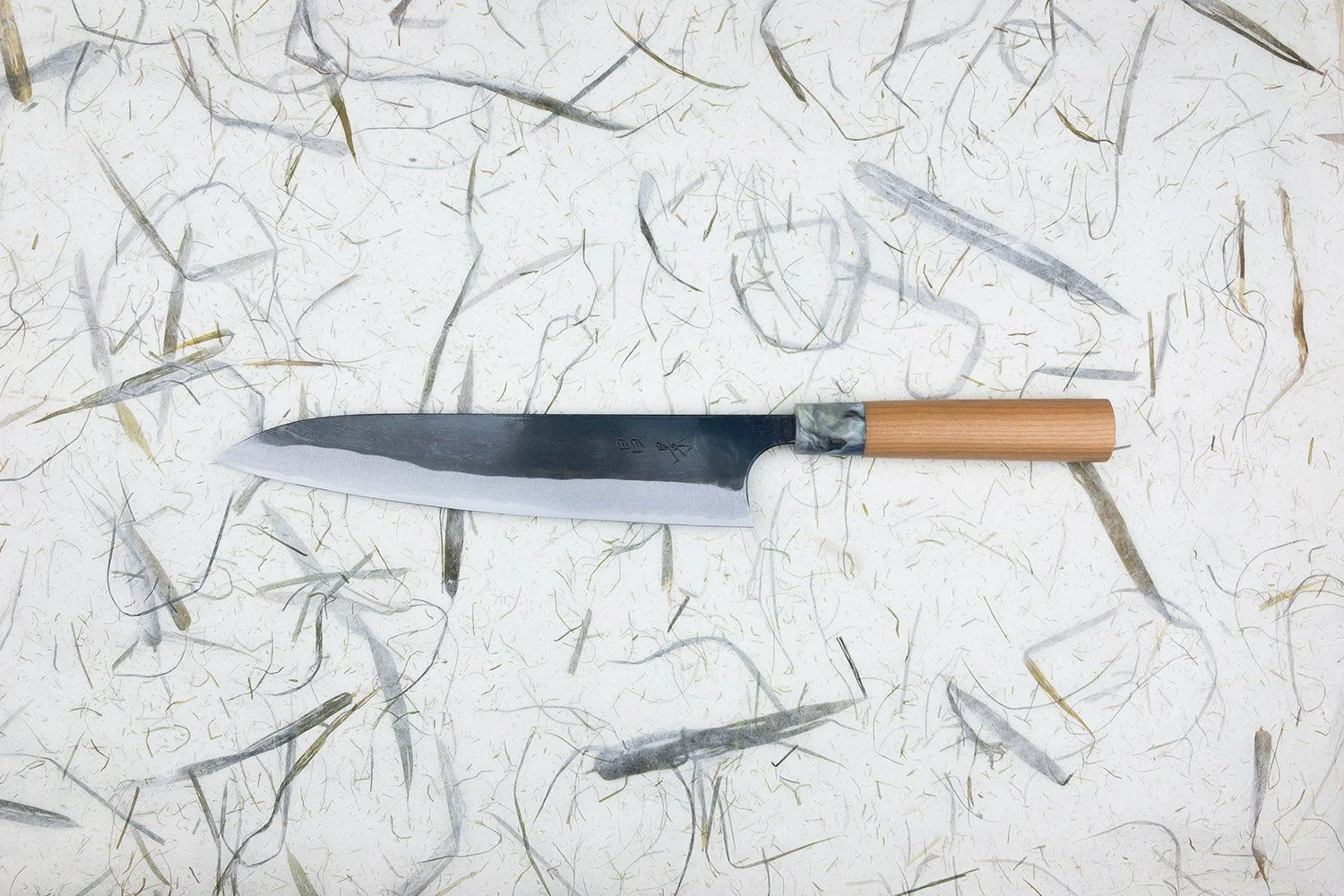
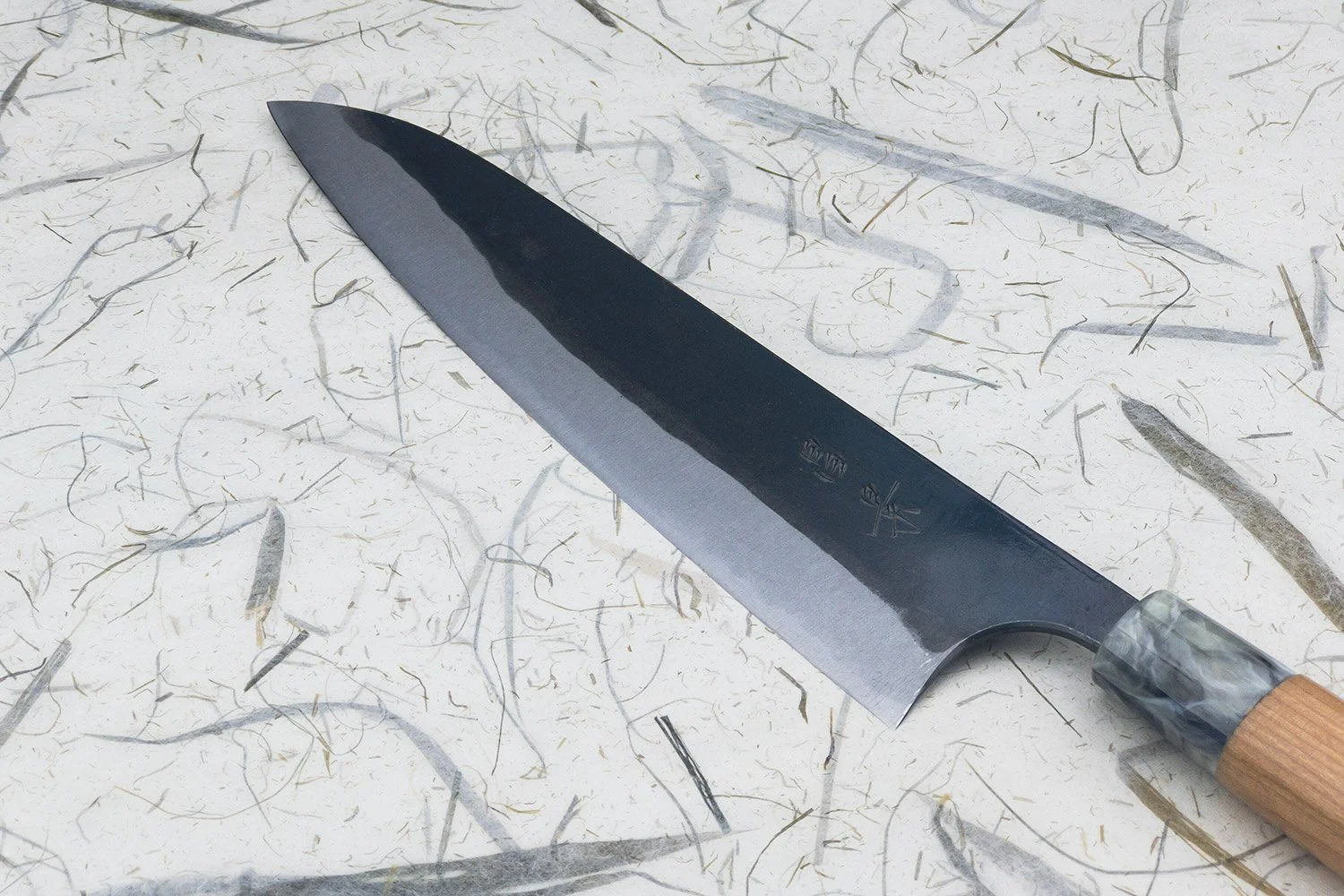
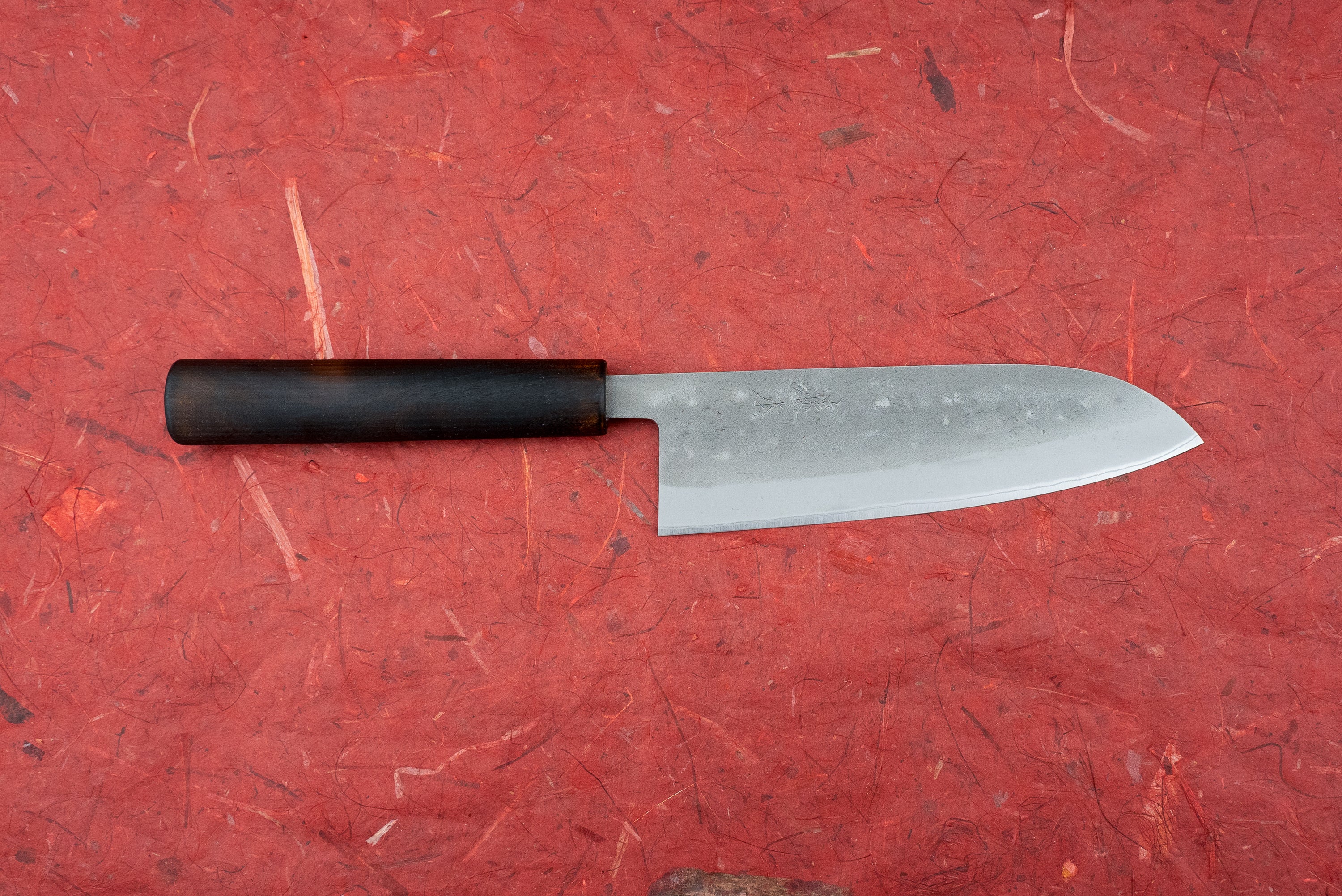
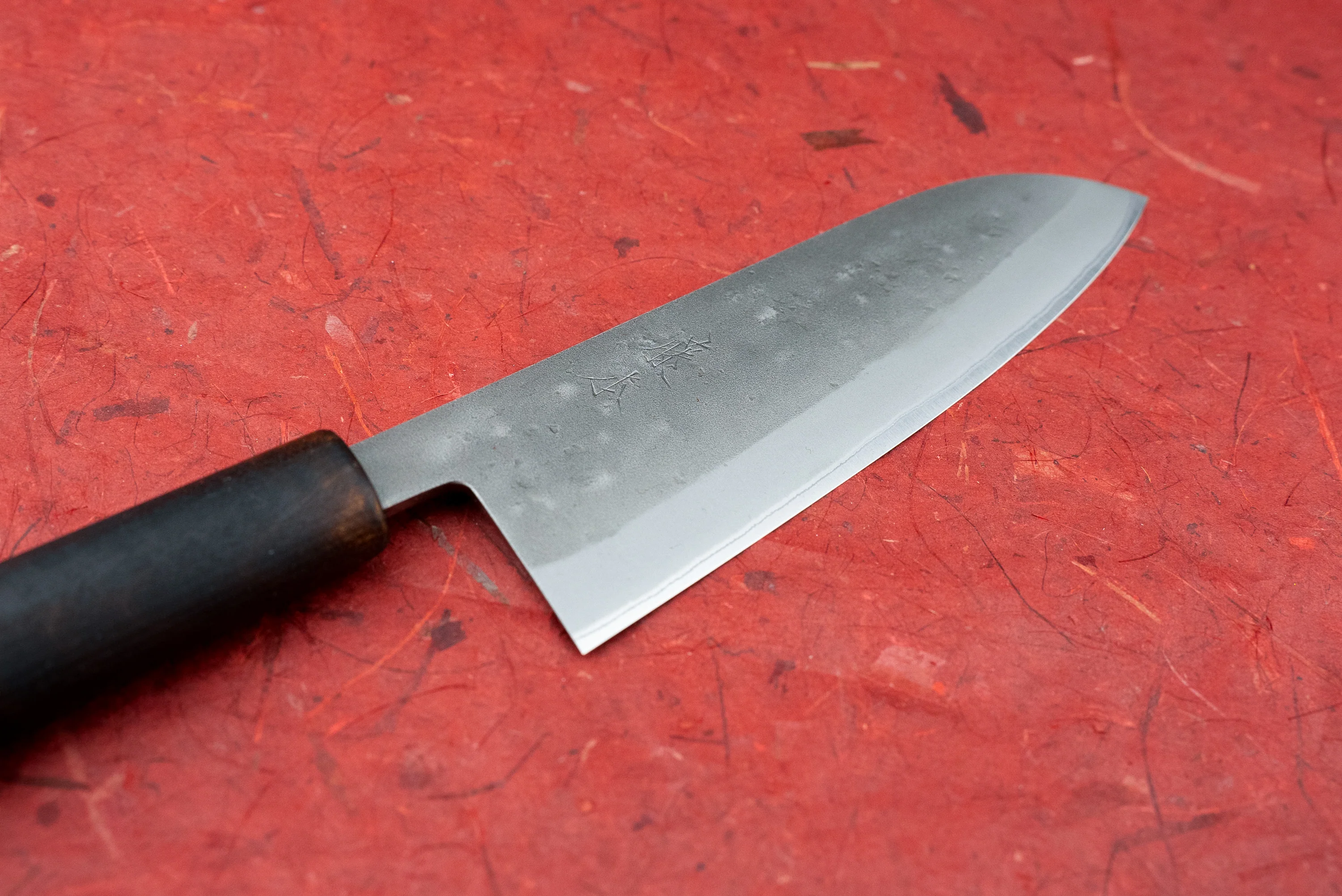
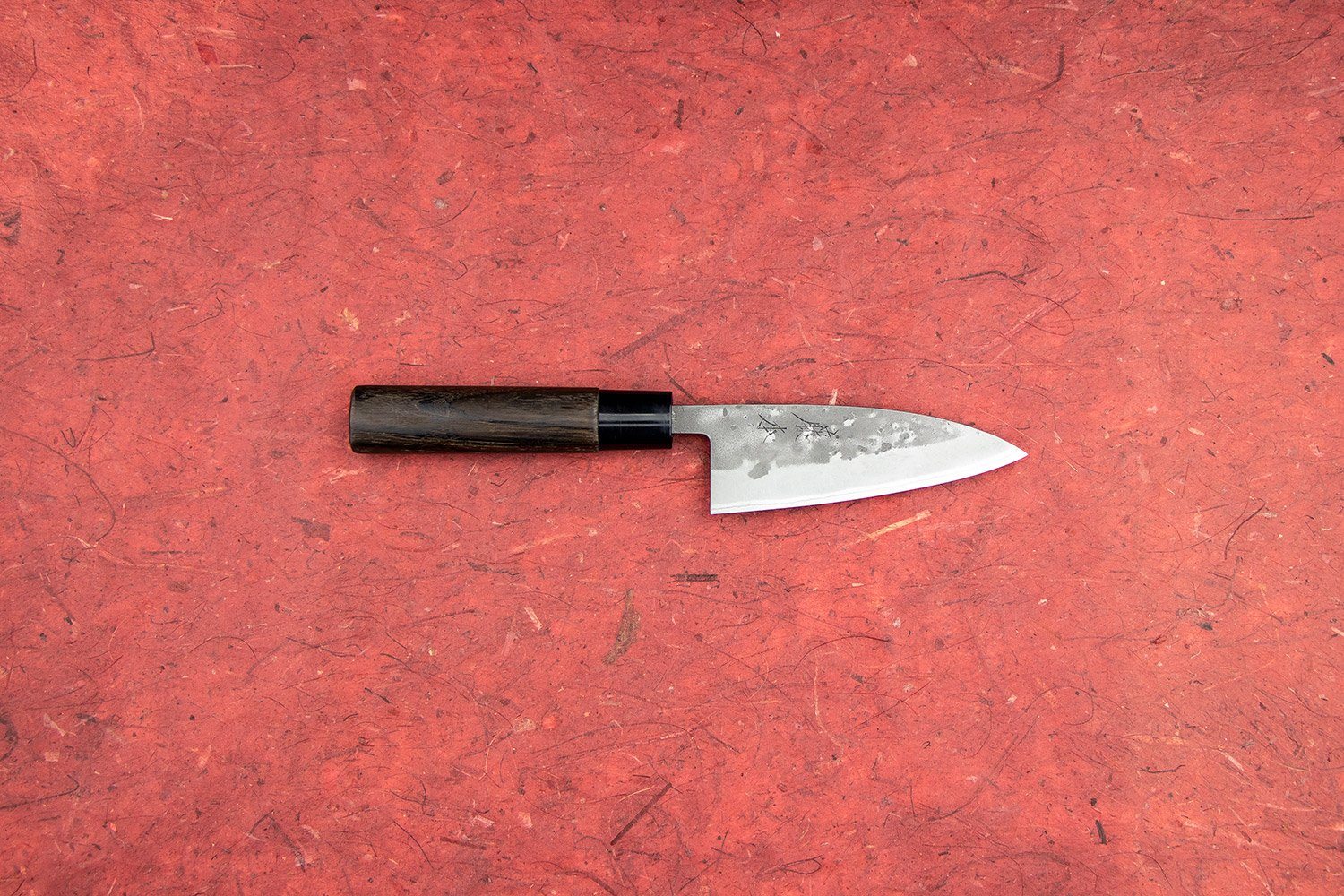
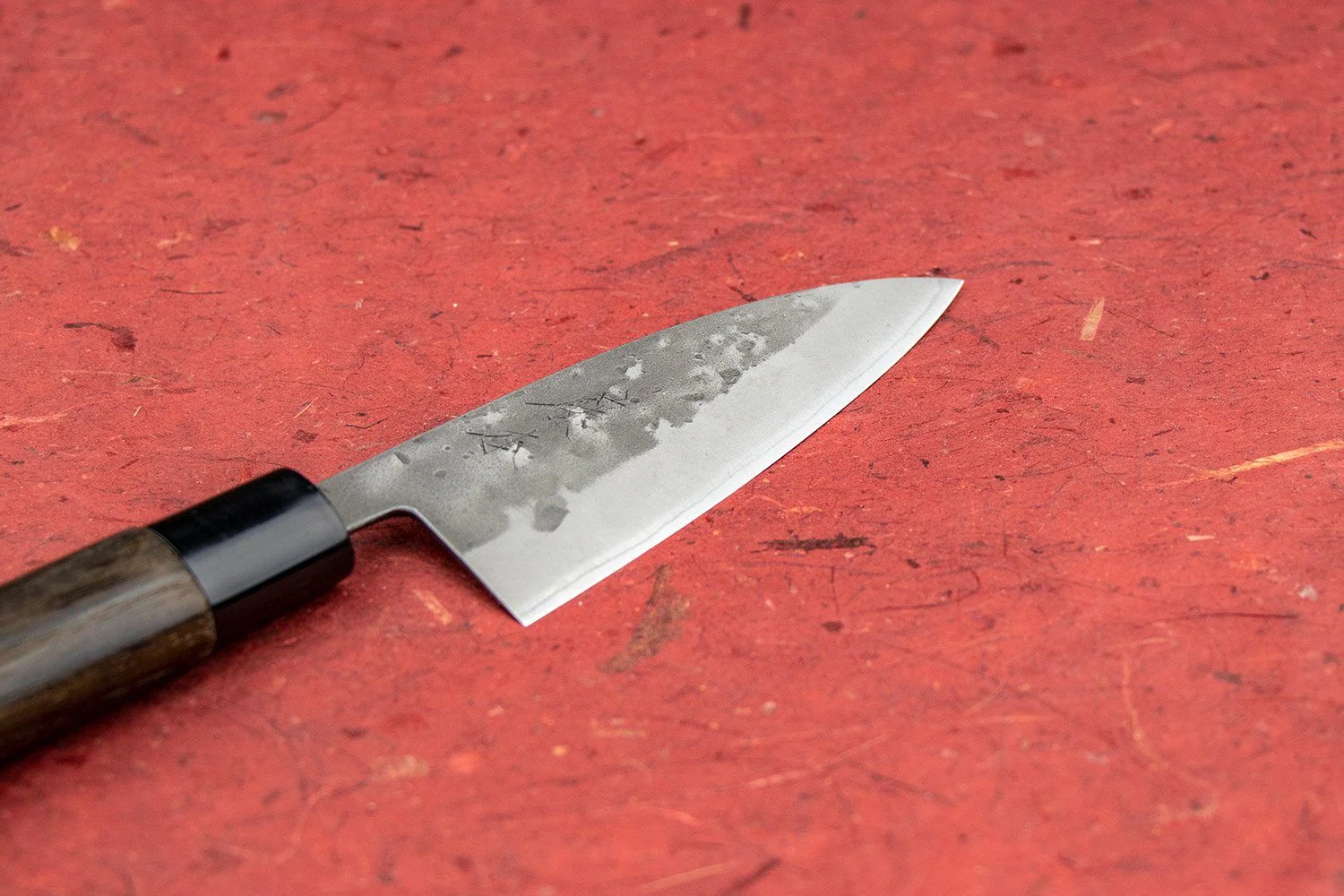
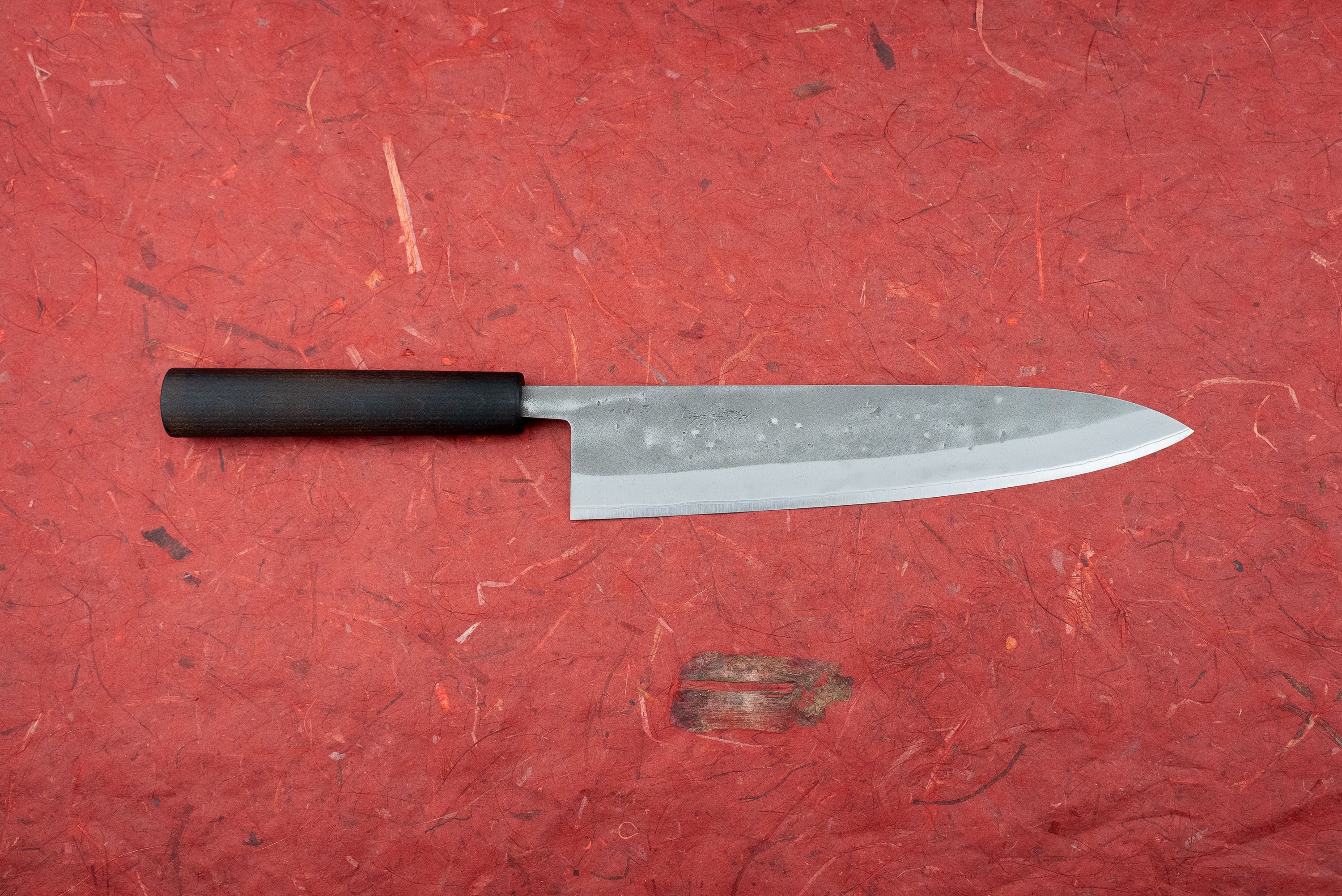
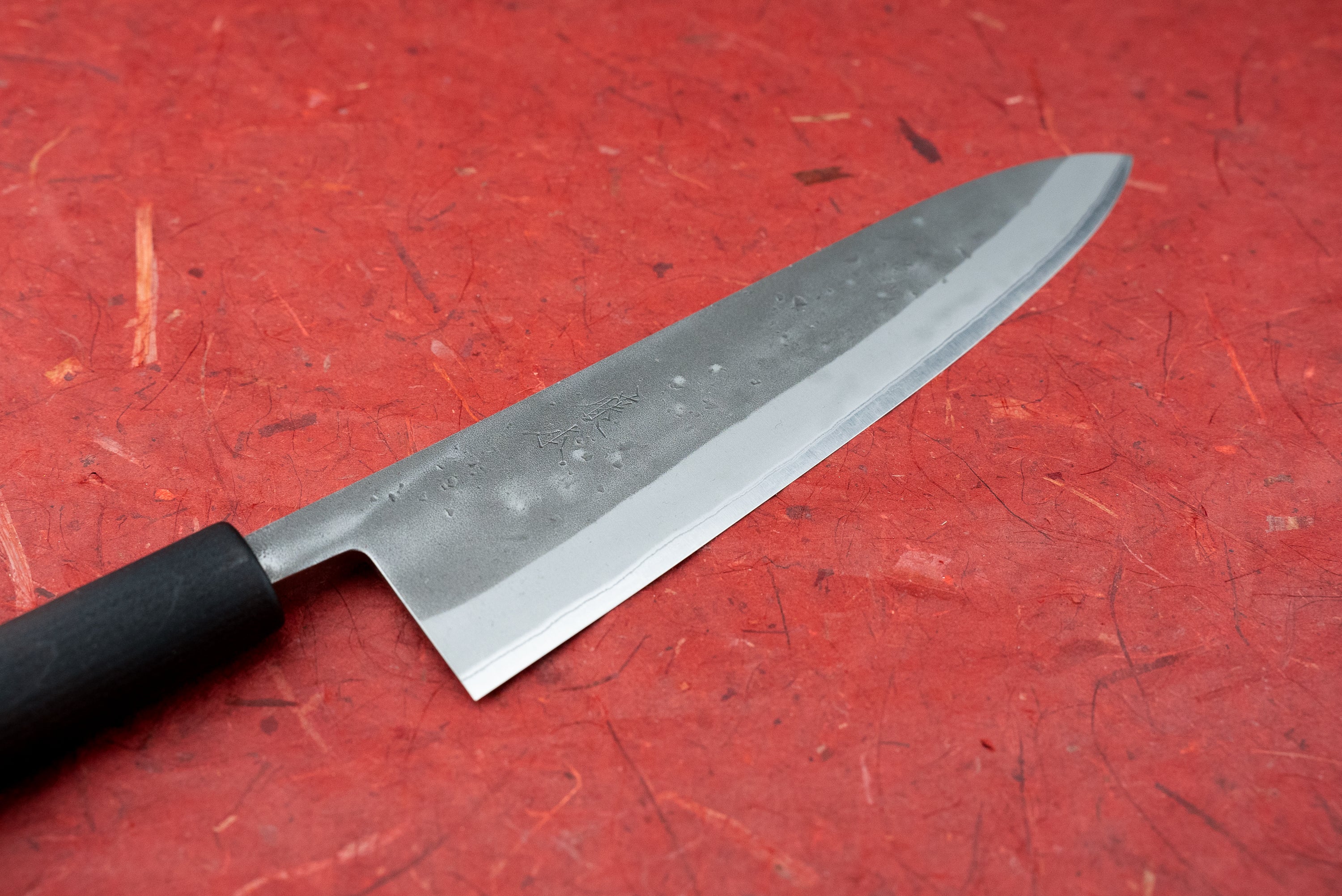
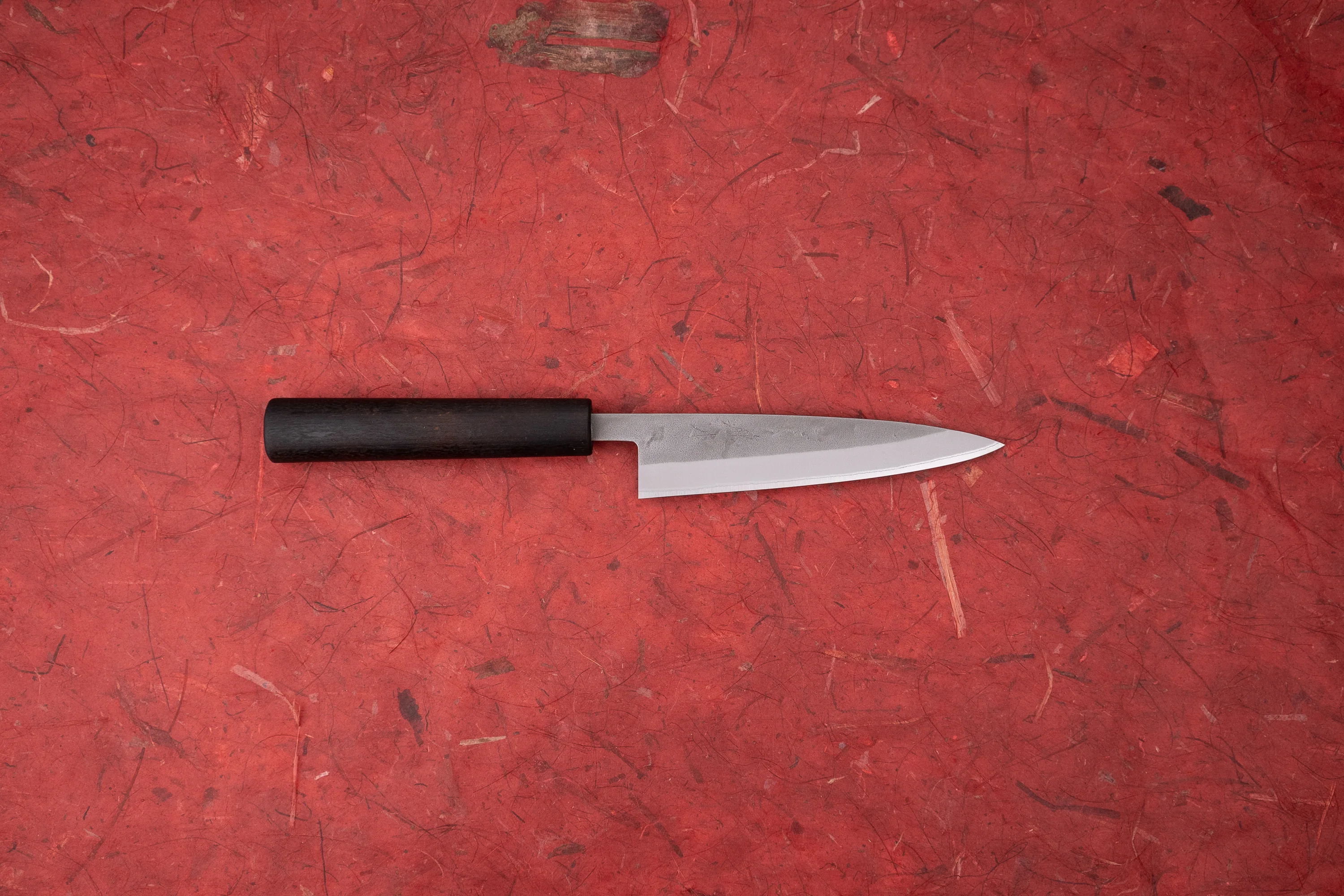
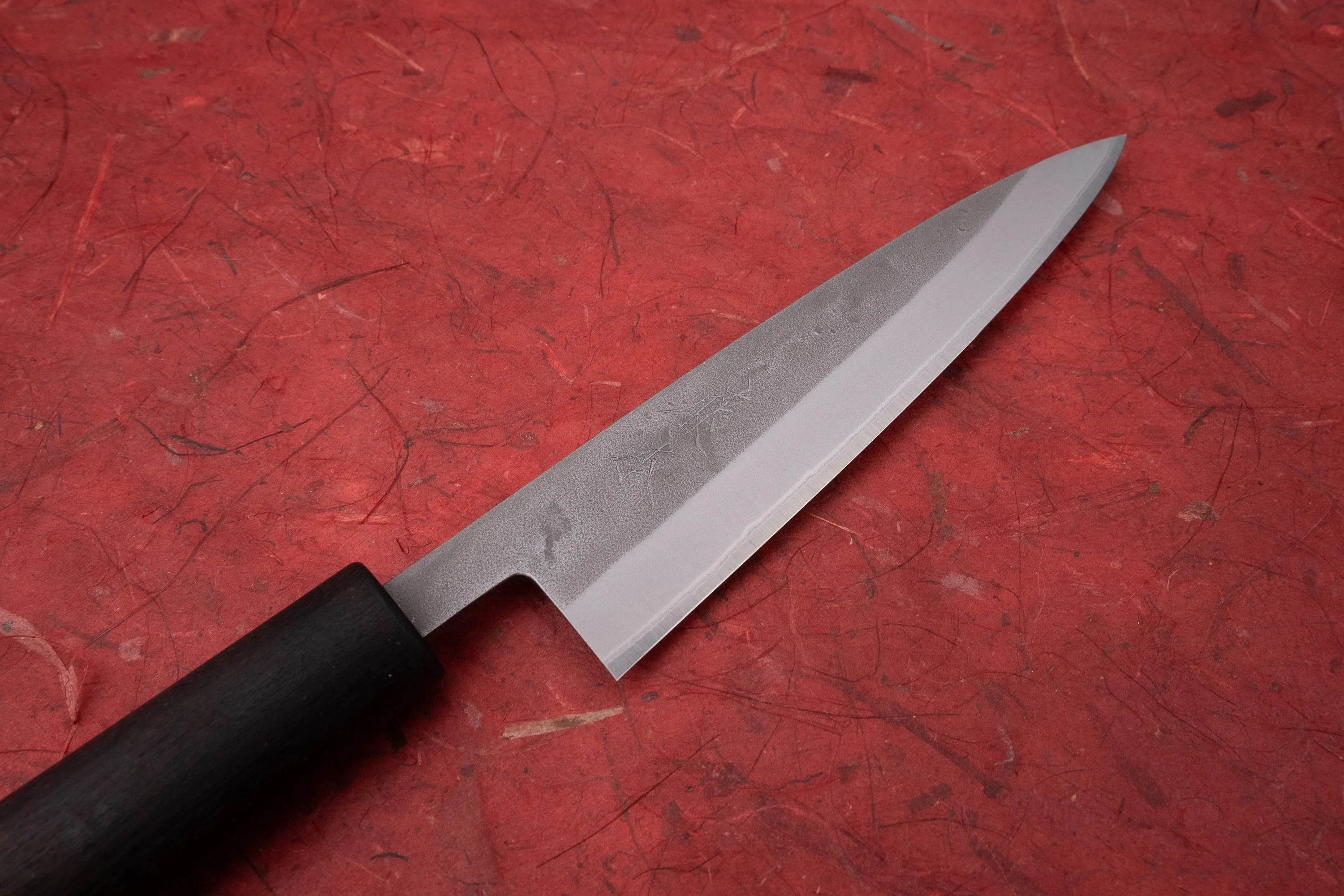
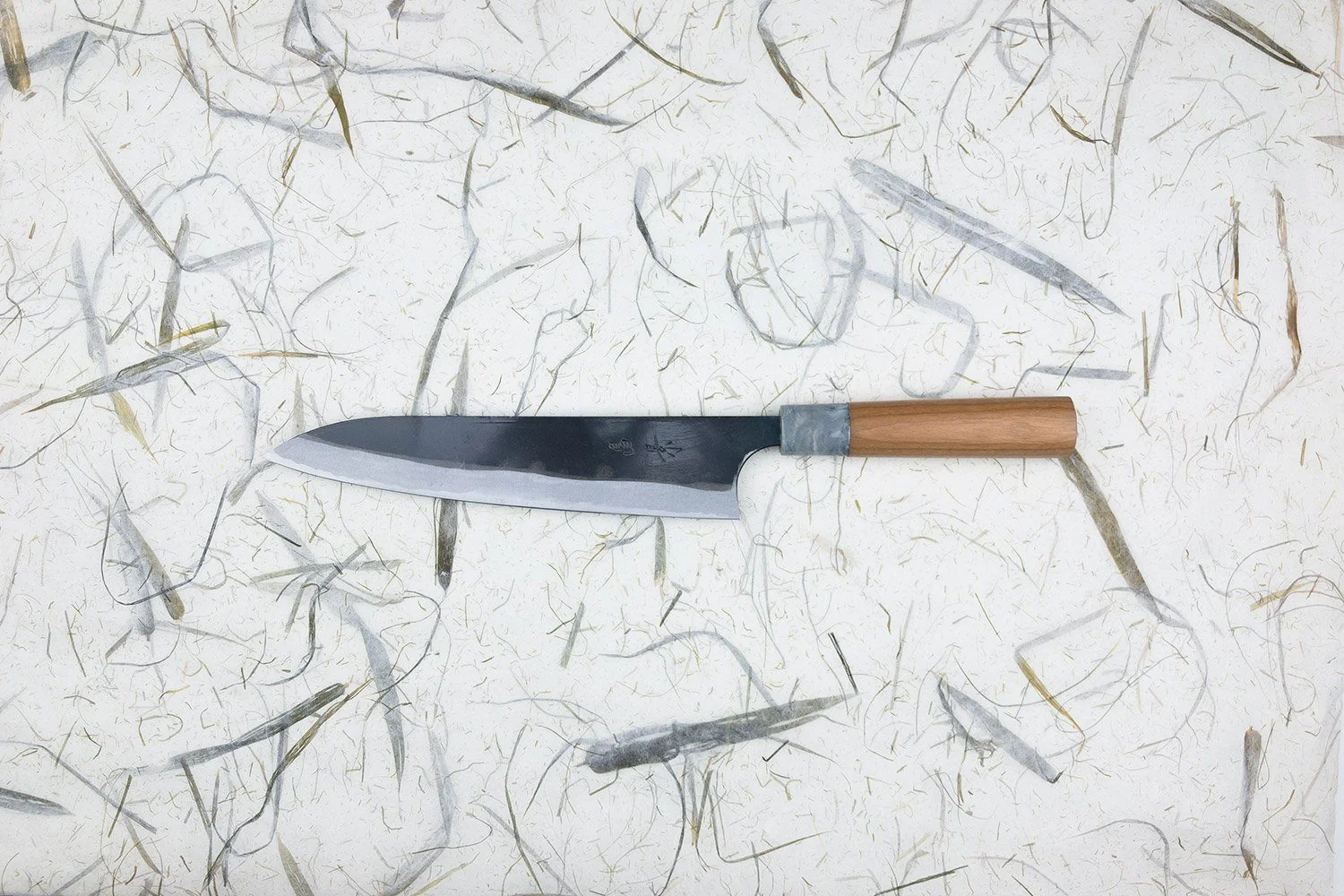
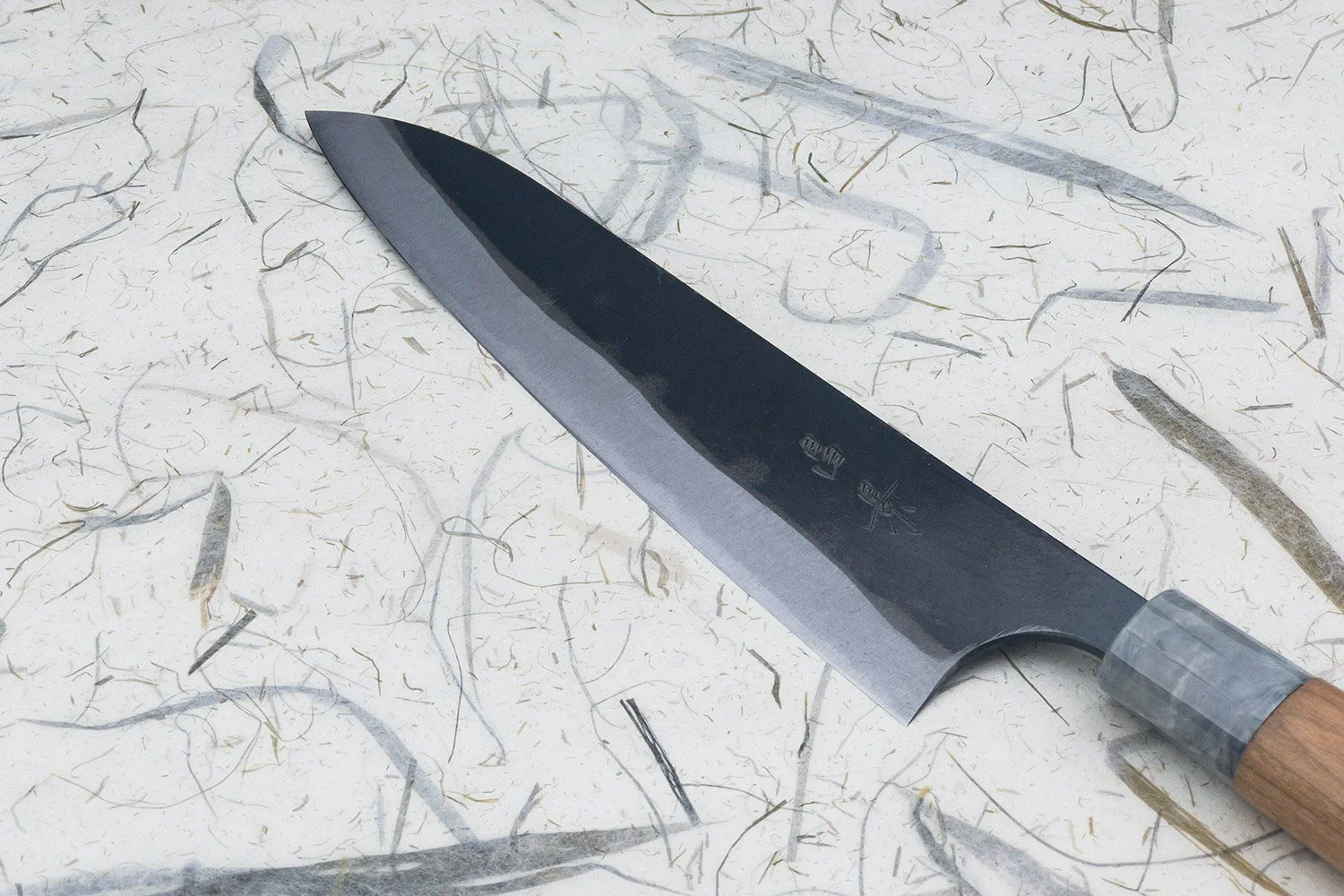
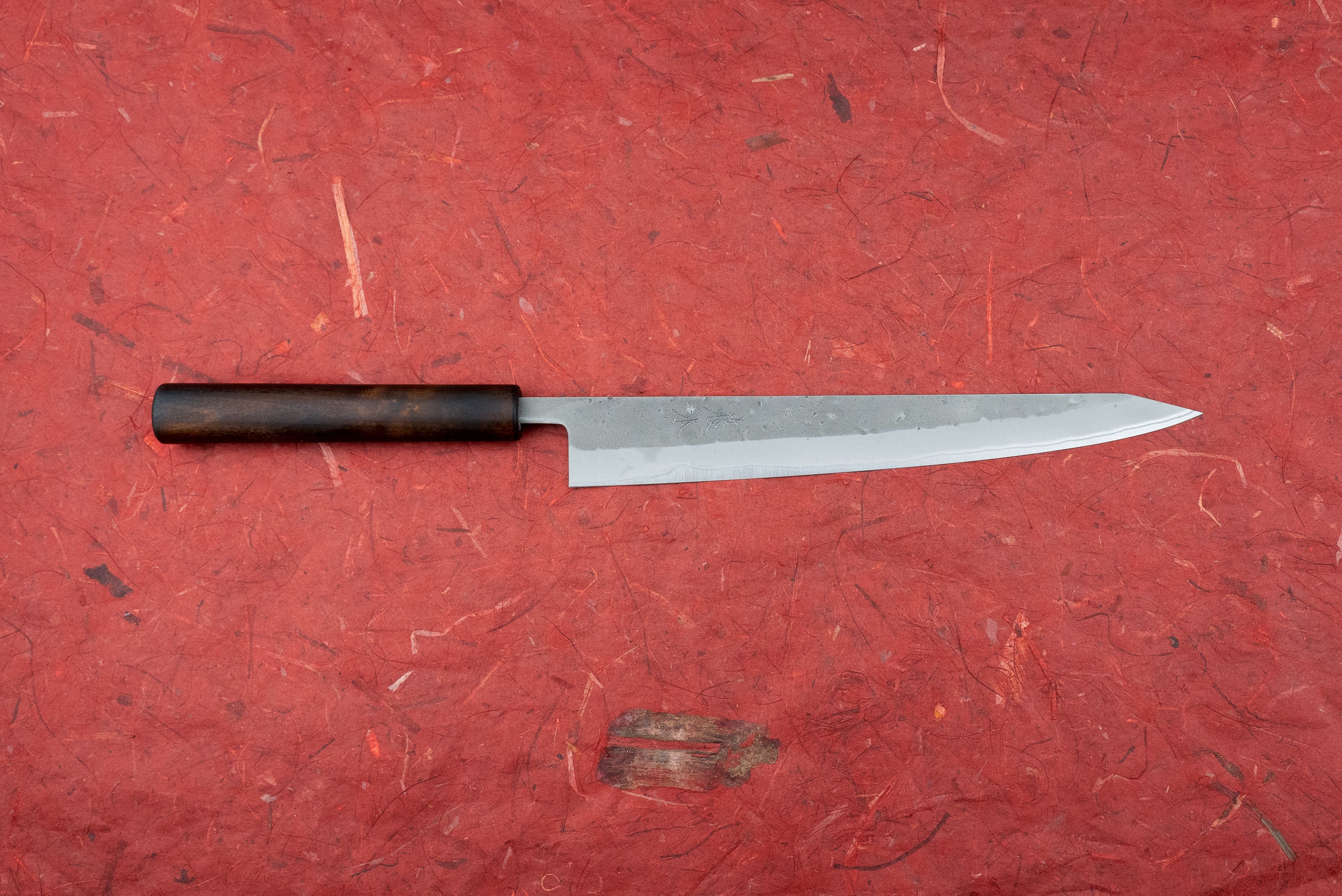
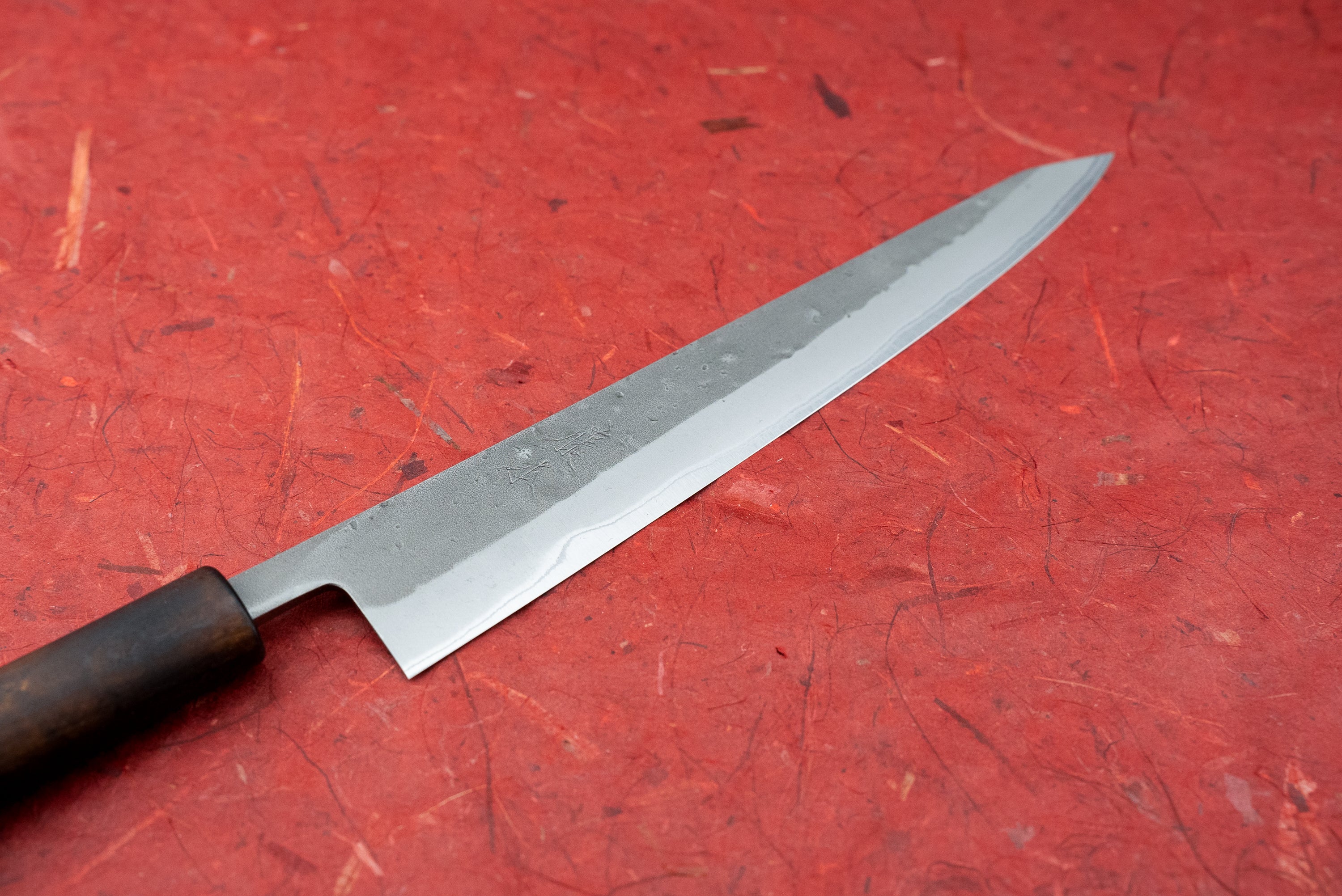
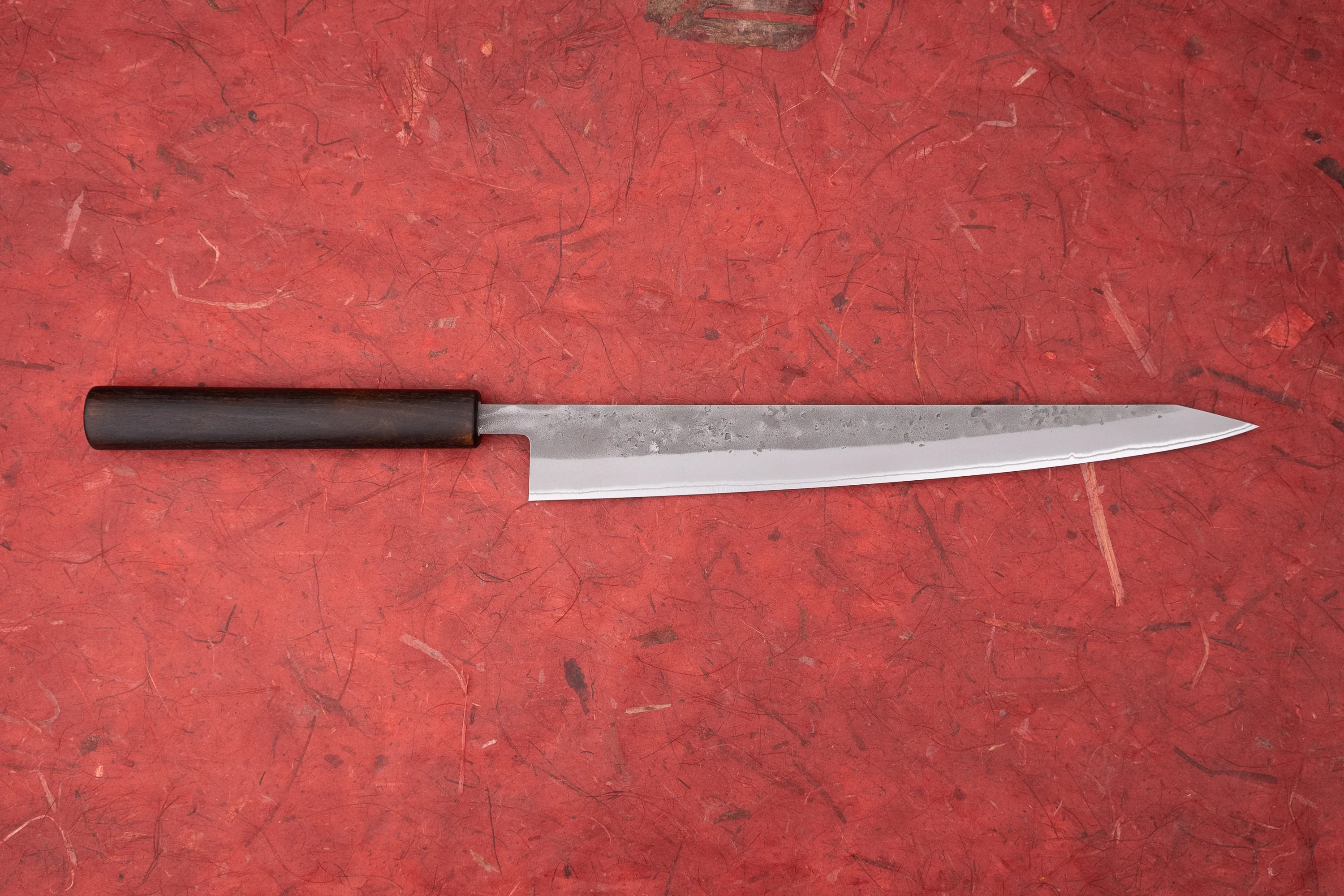
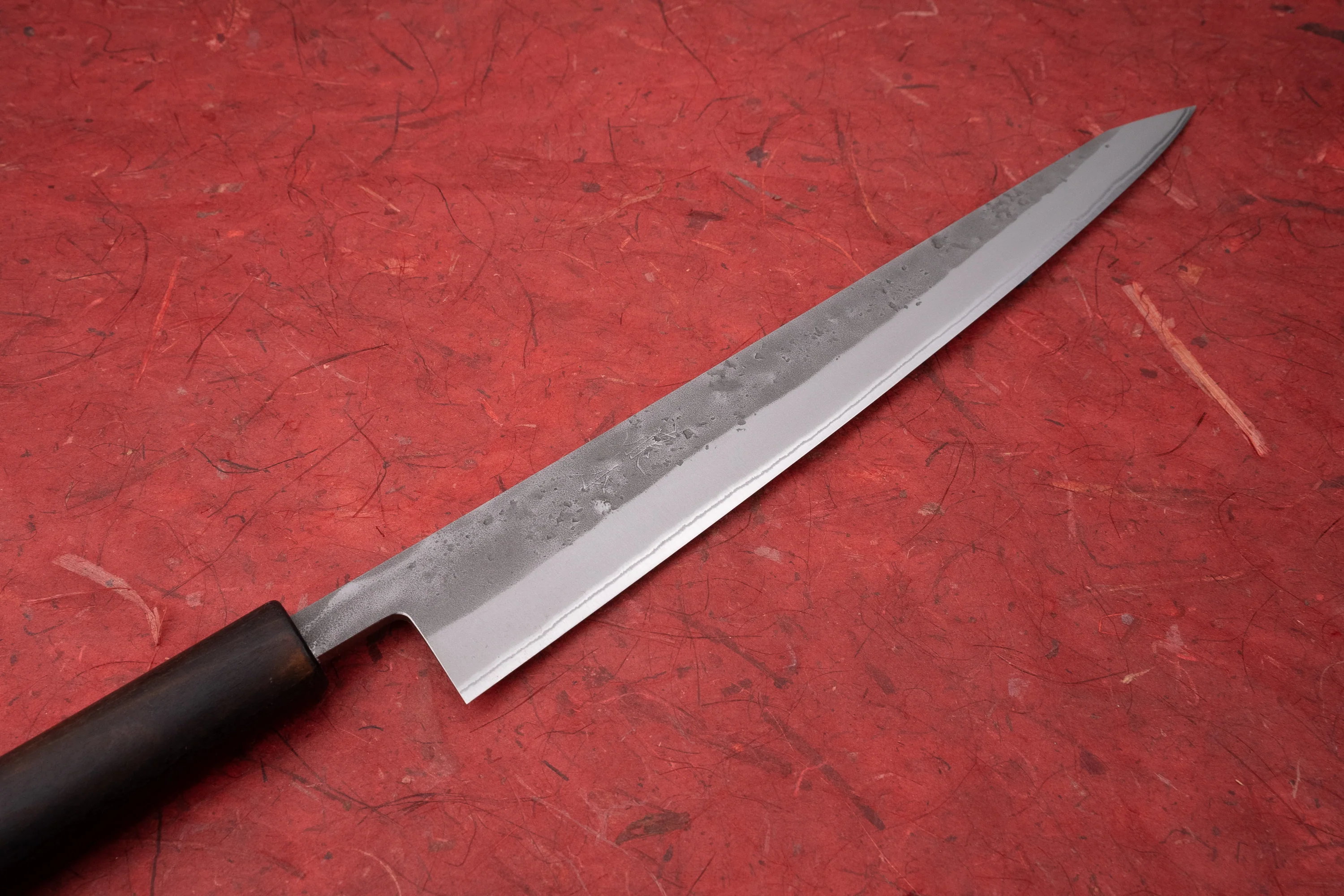
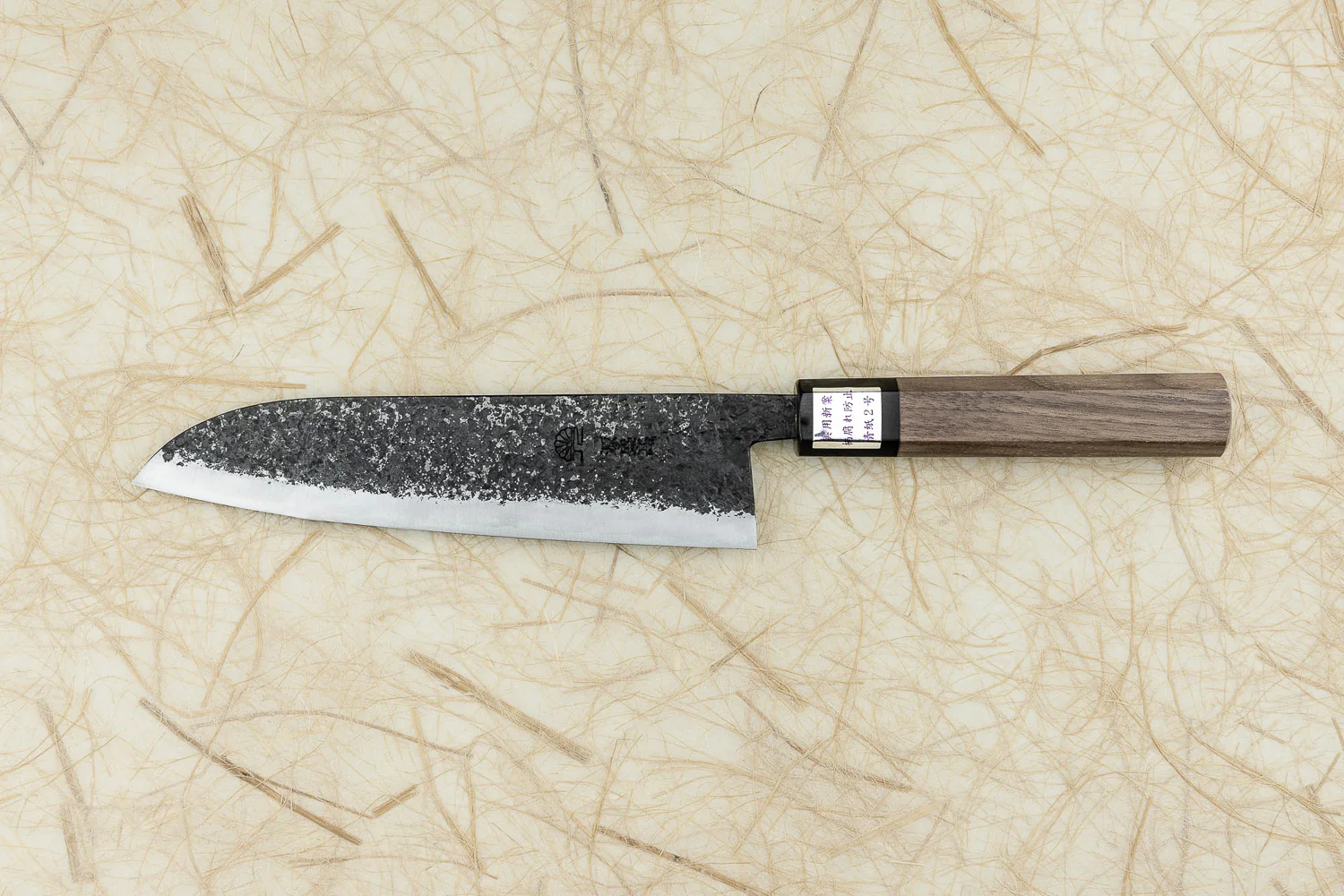
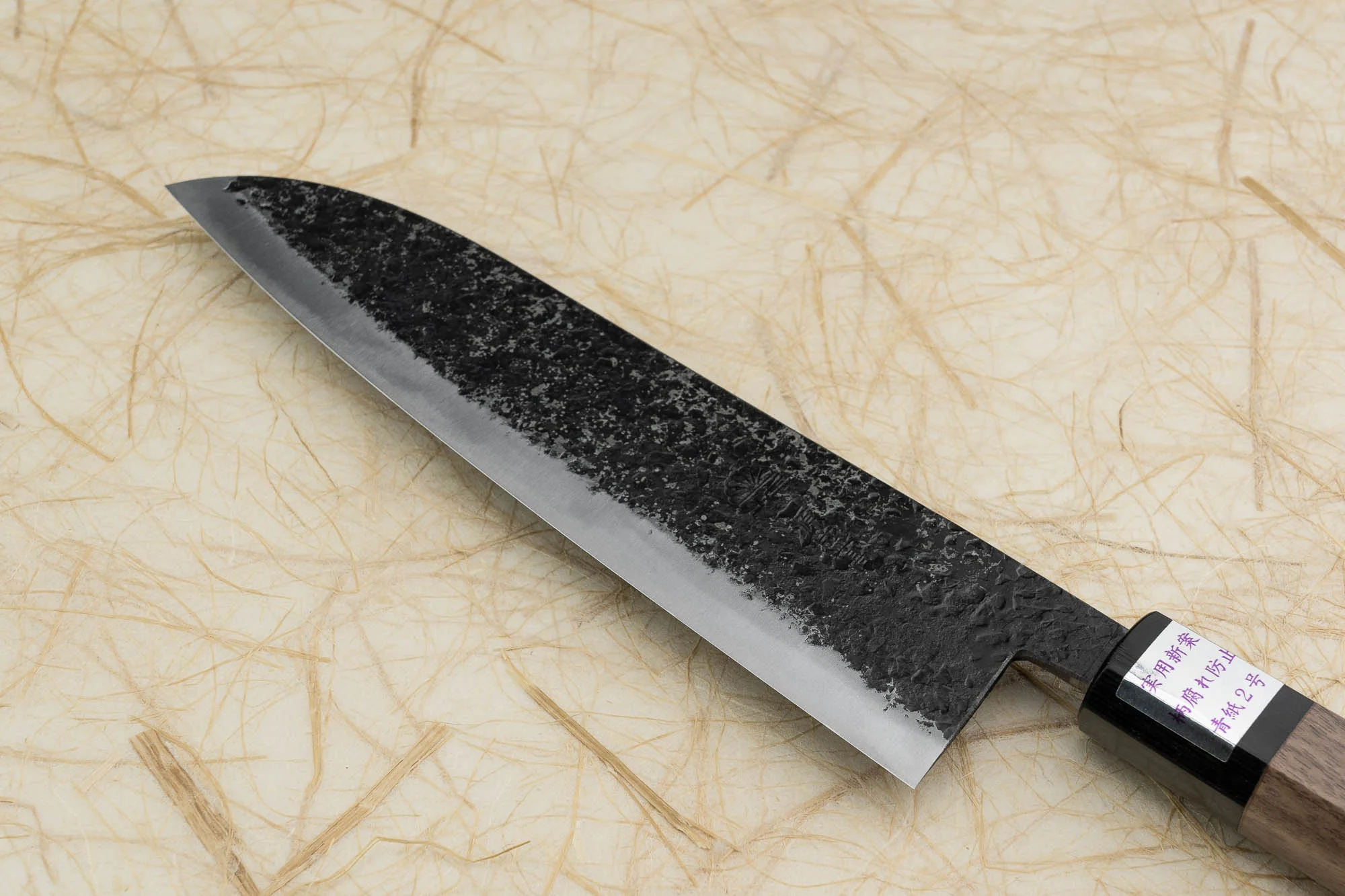
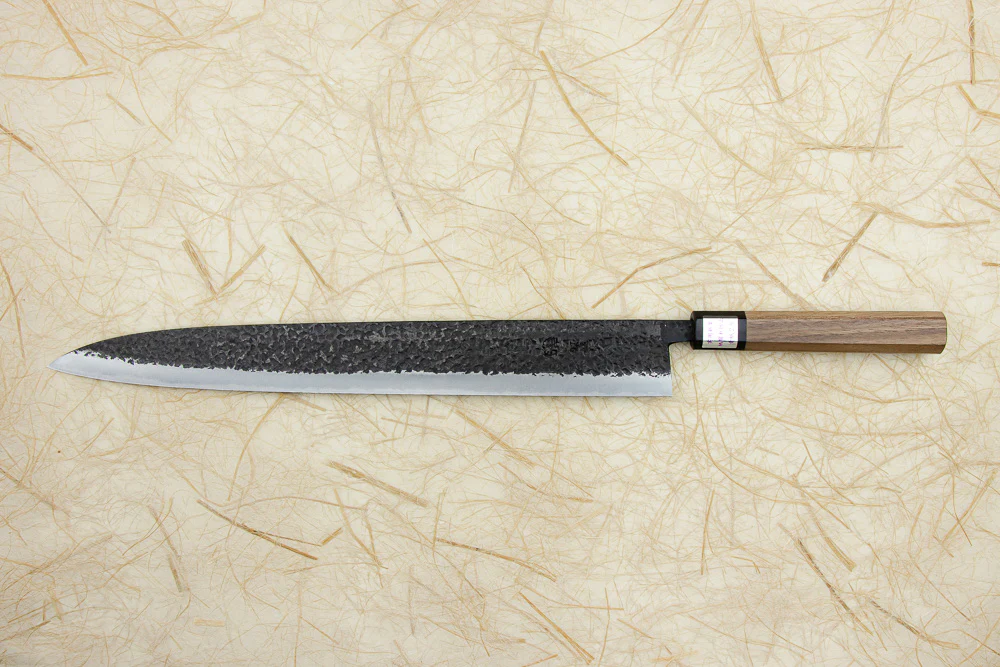
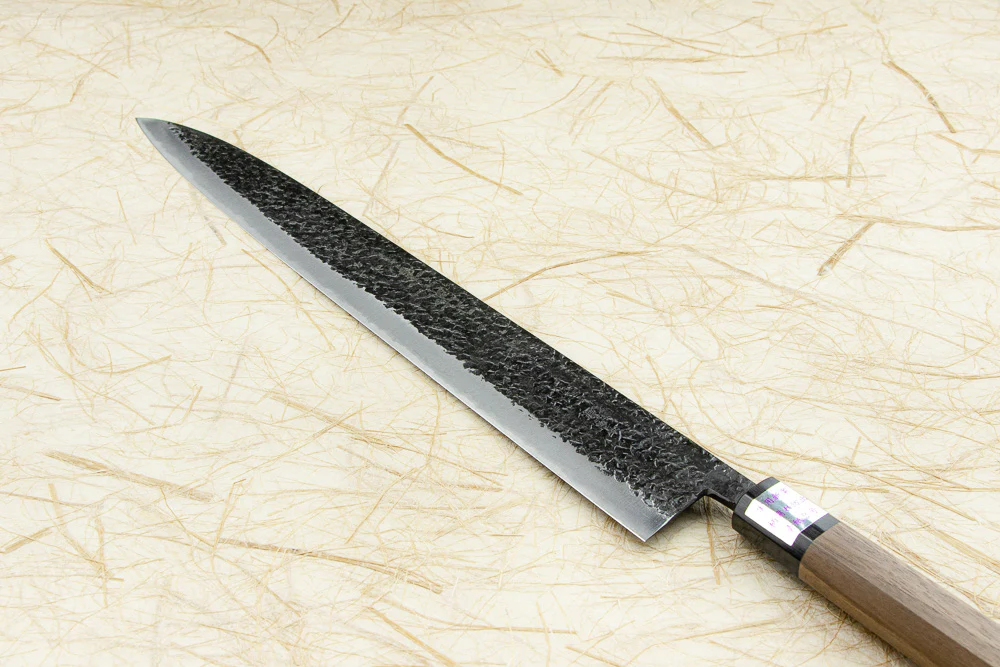
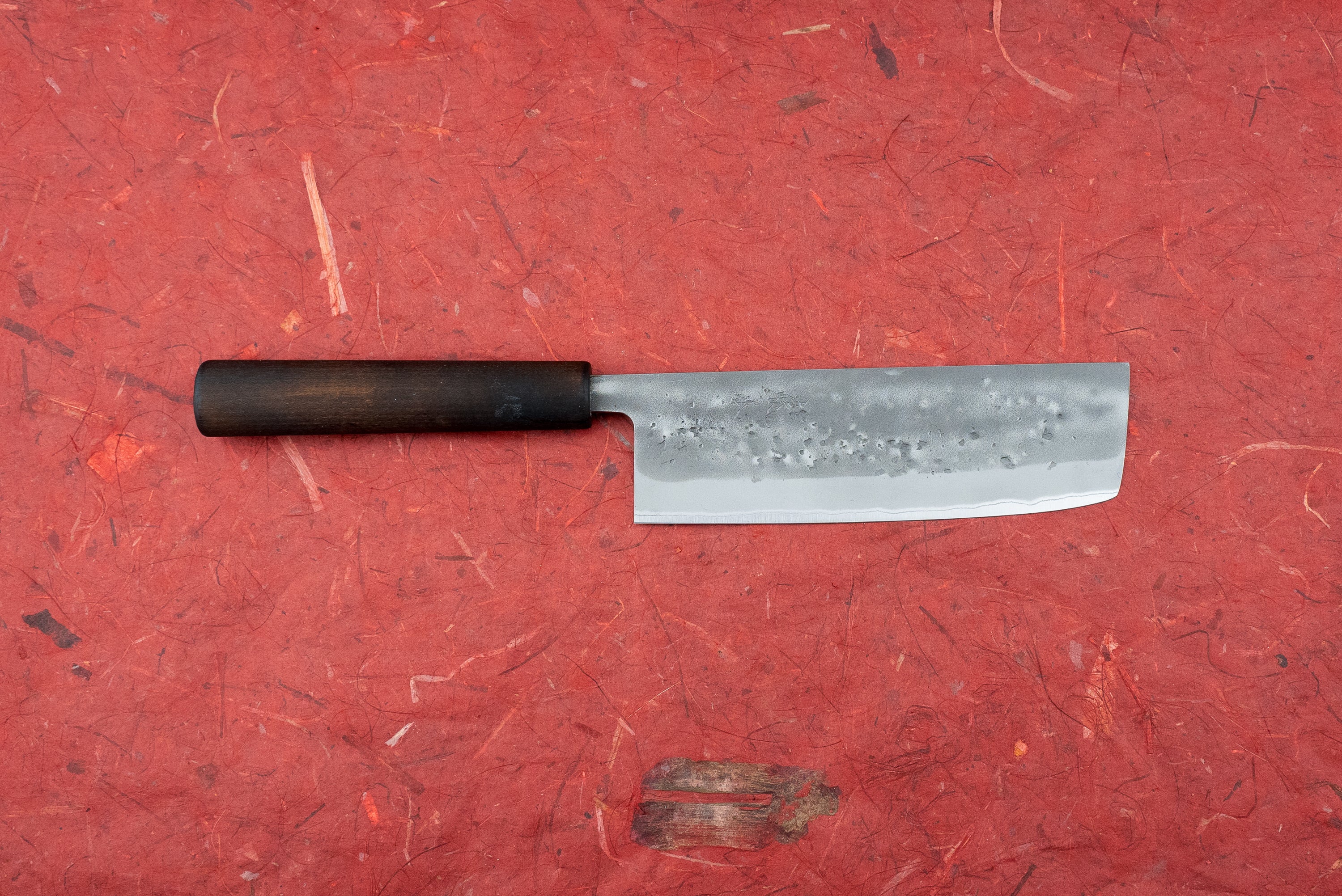
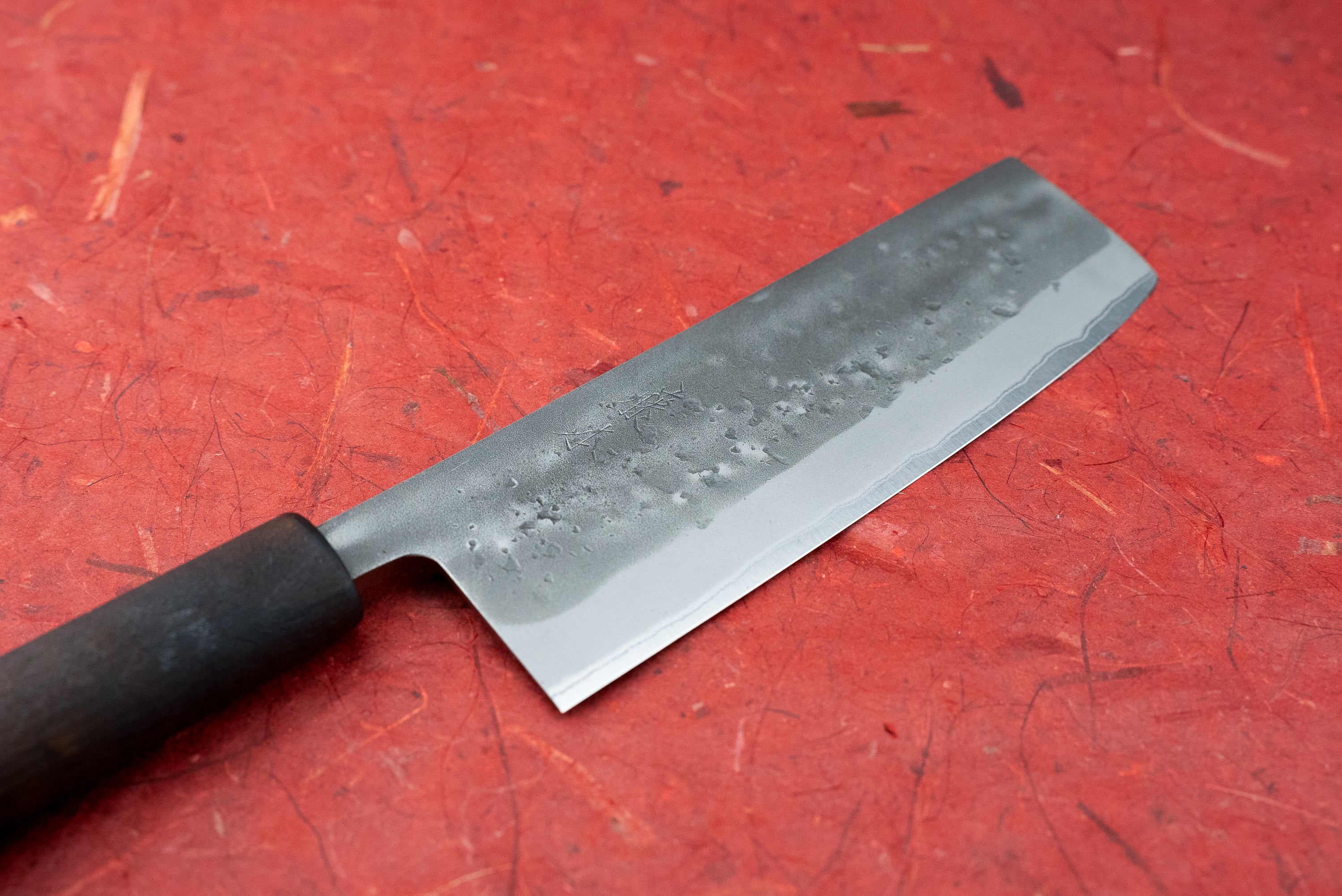
These were the first Fujimoto blades we carried; to this day, they remain a staff and customer favourite. Here’s why: some Japanese blades are made with carbon steel, which gets crazy sharp but can rust, while others are made from stainless steel, which is easy to care for but doesn’t quite have the same magic. These are the best of both worlds, made with a super hard carbon steel core, protected by an outer layer of stainless steel, so only the edge requires maintenance! It’s a genius way of making a knife, and the ‘nashiji’ finish, inspired by the look and feel of Asian pear skin, takes it over the top.
Fujimoto blades are crafted by a team of expert craftspeople, and each step is hand-done by a specialist in their field to create a consistent, affordable, high-performance knife. Fujimoto knives sport a classic Japanese handle, called a ‘wa handle,’ that puts most of the knife’s weight in the blade.
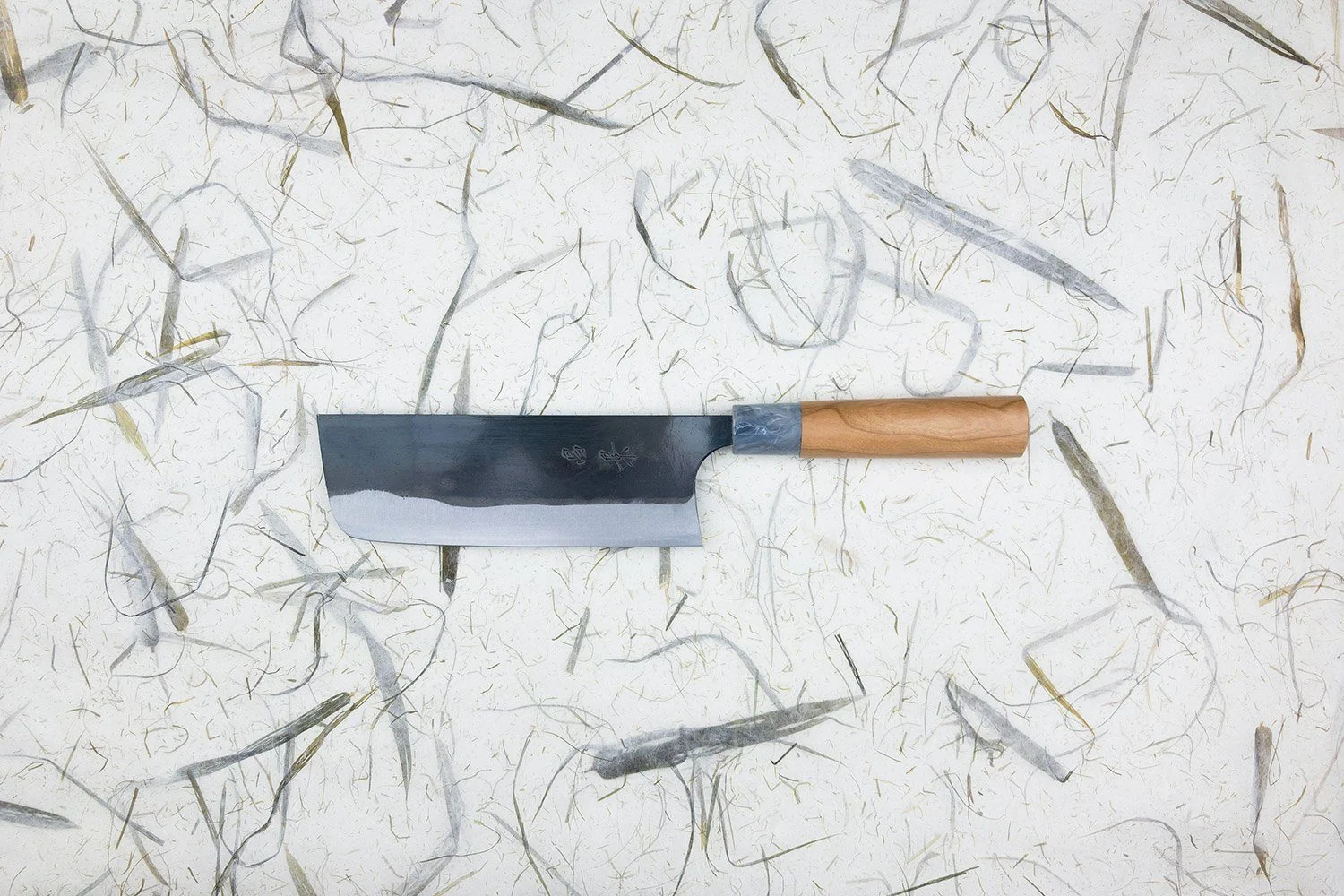
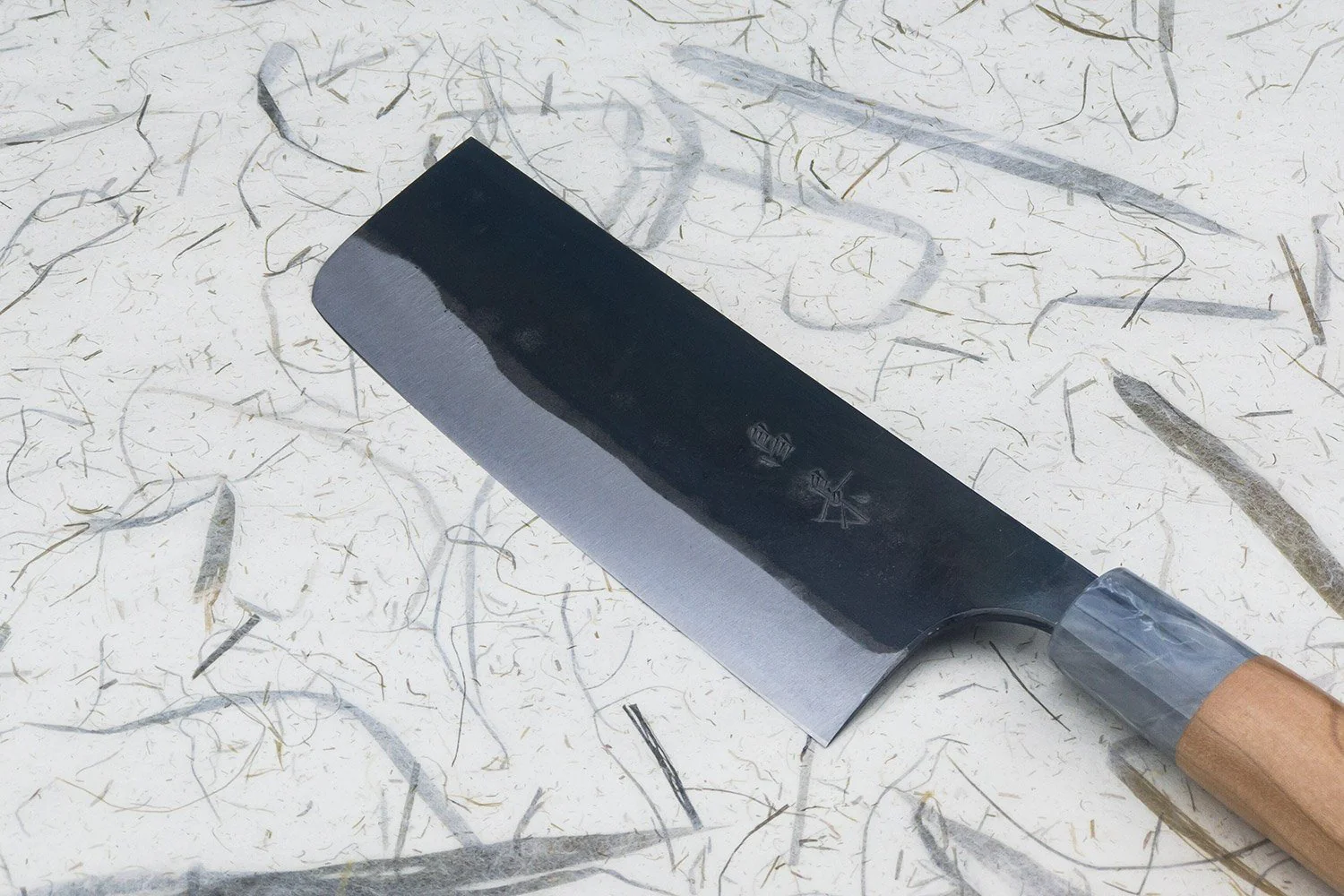
About the Shape - Under utilized in the western kitchen, the nakiri’s flatter blade is meant for the push/pull chopping of vegetables. Since the entire flat edge of the knife touches the cutting board at once, you wont be turning the vegetable into an 'accordion', still connected like a paper doll after you've cut them. The added weight of the blade allow it to fall through food more easily while you chop, so the knife does more of the work for you!
Details & Craftsmanship
Every detail has been carefully considered to bring you the perfect product.
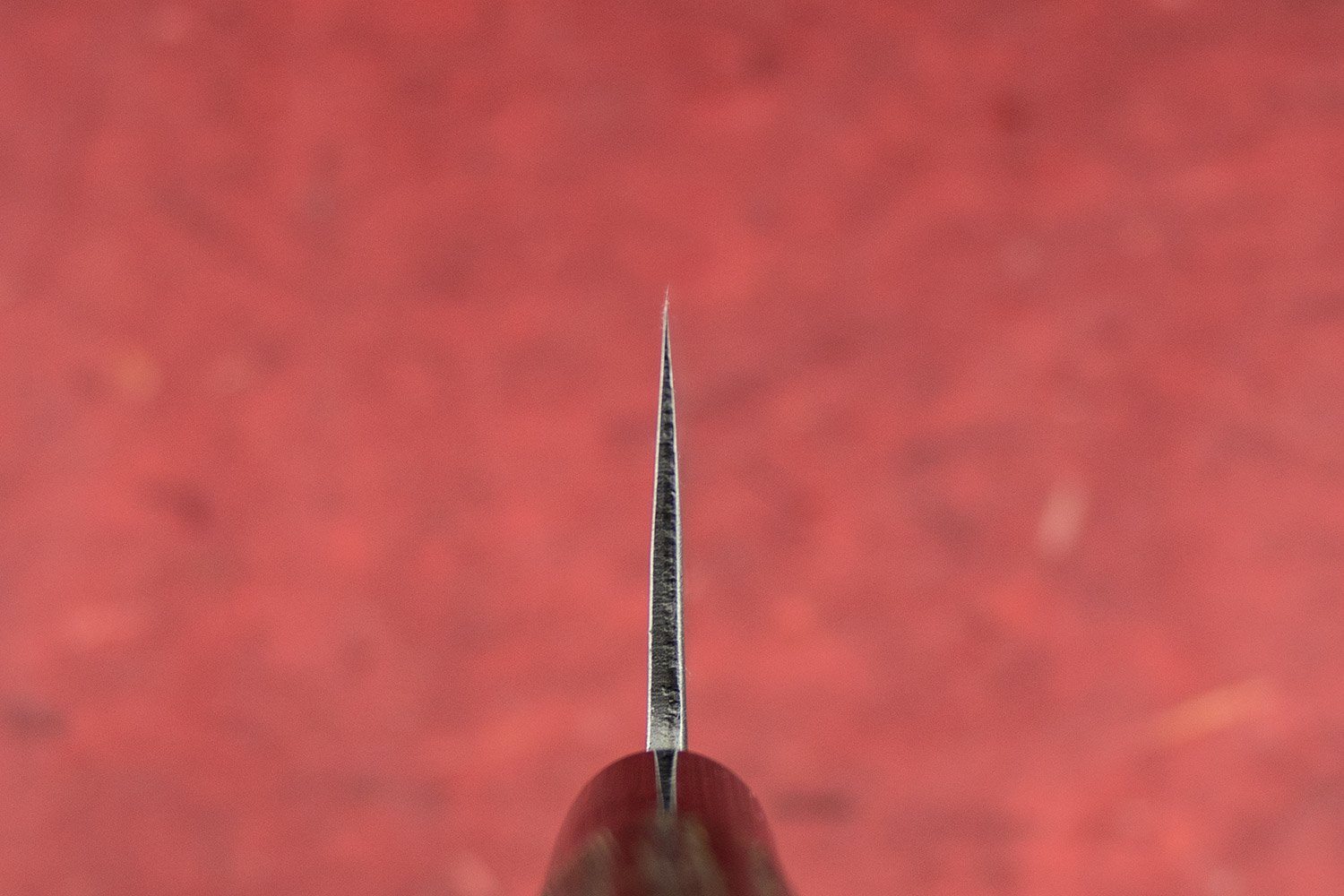
Details & Craftsmanship
Every detail has been carefully considered to bring you the perfect product.
Description
These were the first Fujimoto blades we carried; to this day, they remain a staff and customer favourite. Here’s why: some Japanese blades are made with carbon steel, which gets crazy sharp but can rust, while others are made from stainless steel, which is easy to care for but doesn’t quite have the same magic. These are the best of both worlds, made with a super hard carbon steel core, protected by an outer layer of stainless steel, so only the edge requires maintenance! It’s a genius way of making a knife, and the ‘nashiji’ finish, inspired by the look and feel of Asian pear skin, takes it over the top.
Fujimoto blades are crafted by a team of expert craftspeople, and each step is hand-done by a specialist in their field to create a consistent, affordable, high-performance knife. Fujimoto knives sport a classic Japanese handle, called a ‘wa handle,’ that puts most of the knife’s weight in the blade.
About the Shape - Under utilized in the western kitchen, the nakiri’s flatter blade is meant for the push/pull chopping of vegetables. Since the entire flat edge of the knife touches the cutting board at once, you wont be turning the vegetable into an 'accordion', still connected like a paper doll after you've cut them. The added weight of the blade allow it to fall through food more easily while you chop, so the knife does more of the work for you!